
Improve Workplace Safety with Custom Automation Solutions
Last updated on November 12th, 2024 at 10:14 pm
Companies are increasingly adopting custom automation solutions and innovative technologies to protect workers and improve workplace safety. Automating routinely hazardous tasks has led to the development of more effective safety measures and meaningful ways to protect workers from hazardous environments, repetitive motion injuries, and fatigue-related errors. This progress is primarily driven by the increasing capabilities of automation, machine learning, and computer vision technologies and enhanced by real-time monitoring and alerts. As automation technology is becoming a valuable solution for creating a secure and inclusive work environment, here are five key areas where custom automation can improve physical safety in the workplace.
1. Reduction of Human Involvement in Dangerous Tasks
At the top of the list of how custom automation can improve workplace safety is removing human involvement in dangerous tasks or exposure to harmful conditions that can risk worker injury. Automated systems can be customized to perform dangerous jobs, such as handling toxic chemicals and hazardous materials, operating heavy machinery, or working in extreme environments. Removing human workers from these high-risk tasks and replacing them with automation eliminates the potential for injury and significantly reduces the likelihood of accidents occurring in the workplace.
2. Prevention of Repetitive Motion Injuries
Repetitive motion injuries (RMIs) are common occupational hazards on production lines and manufacturing industries. These injuries occur when a worker or workers repeatedly perform the same movement without sufficient variation or rest during work. Assembling components, operating machinery, or packaging products are common examples. Repeated motion over an extended period, constant lifting, bending, or twisting, can strain, if not damage, muscles, tendons, nerves, joints, and other soft tissues. Implementing custom automation solutions to handle repetitive tasks every day to production will not only improve the well-being of workers and lower the incidence of musculoskeletal injury but will boost the efficiency of operations.
3. Reduction of Injuries From Fatigue-Related Errors
Fatigue-related errors occur when workers are physically or mentally exhausted, leading to decreased alertness, impaired judgment, slower reaction times, and reduced motor skills. Such factors increase the likelihood of accidents and injuries on the job. Long work hours, night shifts, rotating shifts, or irregular schedules can all lead to fatigue-related errors. A chief culprit, however, is monotonous, repetitive, and labor-intensive tasks that can weaken muscles, sap energy, and reduce concentration.
Automation prevents injuries from fatigue-related errors in manufacturing by taking over repetitive and physically demanding tasks, ensuring consistent precision, reducing cognitive load, and allowing continuous operation without the need for extended shifts. This reduces the physical workload and mental strain on workers, minimizing the likelihood of fatigue-related errors and accidents. Automating physically or mentally demanding tasks makes workers less likely to make errors that could lead to injuries.
4. Real-Time Monitoring and Alerts
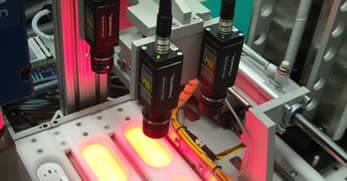
Automation can include safety features like sensors, cameras, and real-time monitoring systems that detect hazardous conditions and shut down operations or alert personnel before an accident occurs. These systems provide real-time data on equipment performance, machinery, and environmental conditions and react faster than humans, preventing injuries before they happen. These tools can be used for real-time analysis of the work environment, continuous monitoring of safety procedures, and alerts when needed.
Enhanced monitoring and sensing capabilities allow for identifying potential hazards and immediately detecting such issues as machinery malfunction, chemical leaks, or unsafe environmental conditions. This enables quick responses to prevent accidents and quickly address critical situations to minimize the risk of injury or damage. Integrating real-time monitoring systems into the workplace can create a safer and more efficient environment for employees, reducing the risk of accidents and improving overall productivity.
5. Consistent Operations and Increased Production
Automation solutions and systems operate with high precision and consistency that, consequently, greatly reduces human exposure to dangerous, repetitive, and physically demanding tasks. By maintaining equipment and materials within safe operating parameters and reducing the likelihood of human errors that can lead to accidents, automation in manufacturing increases production efficiency by streamlining processes, leading to faster production times and consistent product quality. Automation also reduces downtime through predictive maintenance and real-time monitoring, ensuring that machinery runs safely, smoothly, and efficiently, ultimately boosting overall productivity in the manufacturing process.
Overall, custom automation solutions are crucial in improving workplace safety in manufacturing environments by reducing the need for human involvement in dangerous and monotonous tasks. Incorporating real-time monitoring and emergency response systems minimizes human error, ensures consistent operations, and enables predictive maintenance to prevent accidents. At the same time, automation increases production efficiency by speeding up processes, reducing downtime, and ensuring consistent product quality.
EAM designs custom automation solutions that optimize safety and efficiency to create a more productive work environment. We provide custom automation machinery, industrial-engineered automation systems, and support to various industries. Contact us today to learn more about how our automation solutions can bring value to your manufacturing process.