
A Pocket Guide: RFID Theft Prevention Systems in the Retail Setting
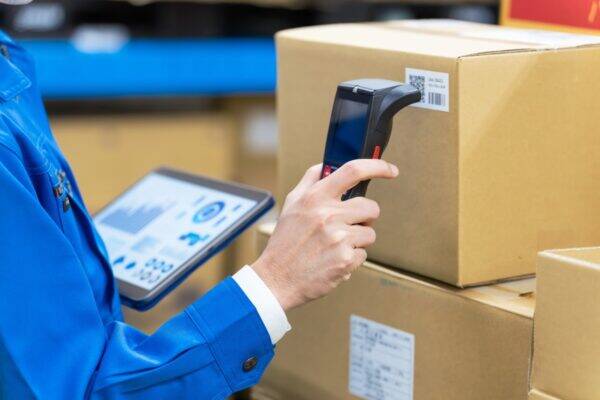
RFID theft prevention systems are a wireless technology widely used in retail environments to enhance security and inventory control. The system relies on RFID (Radio-Frequency Identification) tags attached to products to monitor and protect inventory. Once activated, the tags emit radio signals that RFID scanners detect at entry and exit points, triggering alarms if items are taken from the store without being checked out. By enabling real-time inventory tracking, RFID systems help retailers prevent theft, reduce stock loss, and improve security.
If your organization is considering implementing an RFID theft prevention system, here’s a pocket guide to help better understand how RFID technology can improve inventory security for your business.
How RFID Tags Work
RFID tags secure inventory and prevent loss by providing real-time tracking and visibility of all items. Each item tagged with an RFID device receives a unique identifier, allowing seamless monitoring and control via radio signals. Tags can be passive (no power source, activated by the reader) or active (battery-powered). Information about the item (e.g., SKU, price, and stock data) is encoded in the tag linked to the retailer’s inventory management system. Once activated, tagged items cannot be removed from the premises without being deactivated at the point of sale or triggering an alarm, ensuring sensitive areas remain secure and accessible only to authorized personnel.
Improved Theft Prevention and Loss Reduction
RFID technology helps retailers deter theft more effectively than traditional surveillance methods, such as barcodes or EAS tags. Unlike barcodes, RFID tags can be read through materials without line-of-sight scanning, making it harder for shoplifters to remove or evade them. This results in fewer theft incidents and, consequently, less inventory shrinkage.
Inventory Tracking in Real-Time
RFID theft prevention systems enhance inventory tracking by providing real-time visibility of product locations throughout the supply chain. Each item is tagged with a small RFID chip containing a unique identifier. RFID scanners can read at various points, from warehouse storage to store shelves. Because it can be done without line-of-sight, RFID-tagged items can be scanned in bulk and at a distance, allowing retailers to track items more efficiently. This capability enables continuous inventory updates, allowing businesses to quickly identify missing or misplaced items, optimize stock levels, and reduce instances of out-of-stock products. The constant data flow from RFID tags supports proactive inventory management, theft detection, and streamlined replenishment processes.
Continuous Monitoring of Products
Bulk scanning RFID-tagged items offer more than accurate inventory for retailers. Because direct line-of-sight is not required in RFID systems, retailers can monitor the movement of tagged products throughout the store. This capability means RFID readers can track these movements in real-time as products move between store areas, stockrooms, or even onto the sales floor. As retailers receive continuous updates on item locations, it can help prevent theft by alerting staff if items are removed from designated areas without authorization. Such data provides valuable insights into patterns and trends of items prone to theft.
Identifying Patterns and Trends
Because the movement of RFID-tagged items can be monitored, RFID systems can help retailers identify patterns and trends in the theft of certain products. If certain products consistently go missing or are moved without being purchased, the system flags these patterns, enabling loss prevention teams to investigate specific items, times, or store zones where thefts frequently occur. This data-driven approach helps retailers detect organized retail theft, identify high-risk products, and adjust security measures accordingly, improving their ability to prevent theft proactively.
Automated Alerts and Alarms
When integrated with EAS (Electronic Article Surveillance) systems, RFID-enabled theft prevention systems can activate alarms if an item with a live RFID tag passes through the store exit without being correctly deactivated. The system software allows retail managers and store security personnel to alert security staff if suspicious patterns (like large quantities of high-risk items moving quickly) are detected.
Product Authentication
Unlike EAS tagging systems, RFID tags in products store a unique identifier that links to the product’s information in the retailer’s database, including the SKU, description, and price. This allows inventory tracking and product authentication at checkout to prevent price tag tampering and ensure customers purchase genuine items.
Contact the RFID Experts at EAM
If your company is ready to implement or upgrade RFID labeling technology at your business, then EAM is prepared to assist you. We offer customized RFID labeling solutions to help companies streamline their inventory management processes, enhance security, and improve efficiency. With expertise in EAS and RFID technology, we provide tailored solutions to meet the unique needs of our customers. To discuss the design and integration of EAS and RFID labeling technologies to help better manage and control your store’s inventory, contact EAM today.